Physical Address
College House, 2nd Floor, 17 King Edwards Road, London, HA4 7AE
Physical Address
College House, 2nd Floor, 17 King Edwards Road, London, HA4 7AE

Taking your first flight can feel overwhelming, but having the proper preparation makes all the difference between a stressful experience and an enjoyable journey. These essential tips for flying for the first time will guide you through every step, from booking your ticket to stepping off the plane at your destination, ensuring you feel confident and prepared for this milestone travel experience.
TL;DR: First-time flying doesn’t have to be intimidating when you know what to expect. Focus on the essentials: arrive early, pack smart, dress comfortably, and prepare your documents in advance. These foundational tips for flying for the first time will help you navigate airports with confidence and enjoy your flight experience.
Whether you’re planning a domestic trip across the country or an international adventure, first-time flyers often have similar concerns about airport procedures, what to pack, and how to make the flight comfortable.
Our comprehensive tips for flying for the first time address these everyday worries while providing practical advice that seasoned travelers wish they’d known during their inaugural flight.

The most crucial matter for international travel is your passport, so ensure that it is still valid and has sufficient blank pages.
Many countries require that your passport have at least six months of validity remaining upon arrival at your chosen destination. If your passport is worn out or has expired, consider applying for a new one.
Our next biggest tip for flying for the first time is to check if you need a visa to visit your intended destination.
It may be as simple as visiting the embassy in person and obtaining your visa, but some countries can take weeks or months to issue the necessary travel permit.
It is wise to take digital copies (on your phone) and old-fashioned paper photocopies of your official documents.
This should include your passport, visa, flight ticket, driving license, car park ticket, and possibly credit cards.
Of course, keep these copies in a different place from the originals, or you could lose the whole lot. Should the worst happen and you lose one or all of your documents, it will be much easier to deal with local police or the immigration authorities with your copies in hand.
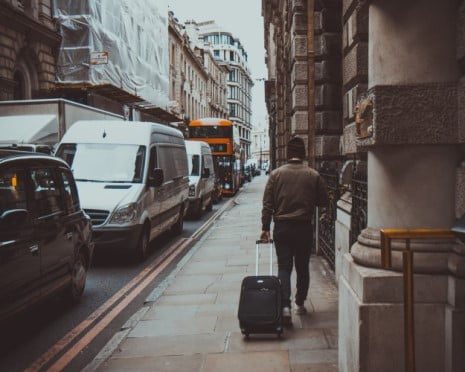
Ensure that your suitcase or backpack meets the baggage limitations of your chosen airline(s).
You can quickly check the weight restrictions on the airline’s website, but it’s best to call them if you are still unclear.
You should also remember the items not allowed on airplanes these days. For example, you cannot transport dangerous liquids or any weapons.
Hand luggage is often scrutinized, so check the current guidelines. At the time of writing, liquids up to 100ml are allowed on most airlines, but sharp items such as tweezers or nail scissors are not. Again, if you are unsure of the rules, look at the airline’s website to avoid any potential issues.

It’s a bit of a no-brainer, but many people don’t allow enough time to get to both the airport and complete the customs procedures.
We recommend arriving at the airport at least 3 hours before international flights. Possible delays can be caused by traffic jams, weather conditions, and other unforeseen circumstances that may arise when you’re in a hurry.

Online check-in is the easiest way for passengers to confirm their presence for a flight via the airline’s website.
Depending on the airline and the exact flight, passengers can select their meals, seating, and even print their boarding passes.

Avoid the temptation to exchange your cash at the airport! Exchange rates are notoriously bad and can leave you severely out of pocket with travel cash.
Many banks in the United States allow customers to purchase the most common forms of foreign currency, such as the euro or the pound. Ask your bank if there is a fee, and compare your bank’s exchange rate to the global exchange rates available online. Sometimes, you may have to wait a day or two for the currency to arrive.
It is also worth considering using ATM, which are readily available at airports and hotels. Foreign ATMs offer easy and convenient access to your cash in the local currency, usually without charging inflated conversion rates. Most foreign ATMs accept U.S.- or U.K.-based credit and debit cards, especially those with Mastercard, Visa, or American Express logos.
A smart move is to inform your bank of your travel plans. This will prevent the unpleasant situation of your transaction being flagged and your card being declined by the cash machine.
Your underwear is probably the most essential piece of clothing on a long flight. Choose comfortable underwear that doesn’t pinch, slip, or itch.
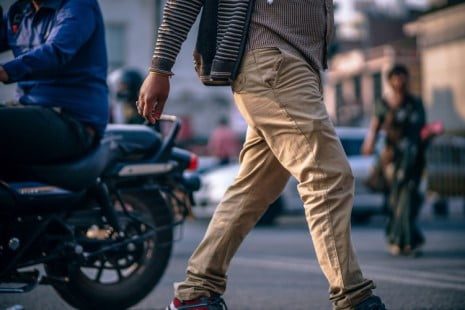
Get yourself into some comfy pants that stretch slightly when you pull at the fabric. Avoid wearing loose pants at the waist, as wearing a belt on flights can be uncomfortable.
Pick a short-sleeved T-shirt with a layering cotton or wool cardigan or sweatshirt. This item should zip or button up so it’s easy to slip on and off in tight spaces, such as economy seats.
Only wear socks made from natural fibers, such as cotton or wool. These will wick away moisture to prevent your feet from getting sweaty.
Shoes that slip on are probably the best. You will probably be asked by security to remove them at one point.
One of the best tips for traveling for the first time is to wear your heaviest coat. This frees up room in your suitcase and can be stored in the overhead lockers as soon as you are on board.
Our final clothing tip is for those who tend to feel the cold. A large scarf or pashmina in your carry-on can be a lifesaver when the cabin crew cranks up the air conditioning.

Vaccines will protect you from the most severe diseases. Depending on where you are going, you may come into contact with rare diseases that are not present in your home country.
Getting the right jabs will keep you safe while traveling and ensure you don’t bring any severe diseases back home. The vaccines you need depend on several factors, including your travel plans.
Conduct research a few months before your departure, as some countries require proof of vaccination against certain diseases. It’s essential to get vaccinated well ahead of your trip. This allows the vaccines sufficient time to take effect and provides enough time for any necessary follow-up shots.

Packing for your international trip is as much an art form as making sushi or arranging flowers, so leave yourself enough time.
There’s nothing like feeling your bags being “ready to go” a day or two before your departure, so get yourself organized!
Our top packing technique is to pack large items (such as shoes) first. Then roll up large items of clothing, which can be placed around your footwear to keep them clean. Finally, place smaller items, such as underwear, in the remaining spaces.
To make things easier on yourself, try using packing cubes. They are small containers made of fabric, often rectangular. They zip closed and are sized to fit several into a carry-on bag, suitcase, or backpack.

You may think you’re not bothered about where you sit, but wait until you’re halfway through a 20-hour flight. You may then regret not booking the perfect seat in advance.
For the safety-conscious, consider taking a seat near the back of the aircraft. A 2007 study found that passengers sitting near the back of the plane were 40 percent more likely to survive in the event of a crash than those sitting in the first few rows.
For a speedy exit, grab a seat at the front of the aircraft on the left, typically near the exit.
For those who want to sleep, it’s better to opt for window seats. Here you can control the window shade and have a place to rest your head. It also means you won’t be disturbed whenever the passenger next to you needs the toilet.
And if you are a tall fellow, remember that seats in exit rows have more legroom than most. Such seats, however, are usually in high demand, and lately, some airlines have been charging an extra fee for seats with extra legroom.

Why not make the whole experience less stressful by chilling out in the comfort of a serene airport lounge?
Airport lounges are one of the travel industry’s best-kept secrets. These “fortresses of solitude” can make traveling much less arduous. They will cost you a little cash, but the benefits are often worth it.
These areas are primarily provided by the airlines and offer comfortable chairs, food and drinks, complimentary newspapers and magazines, free Wi-Fi, and, most importantly, a calm and quiet environment in which to wait for your flight.
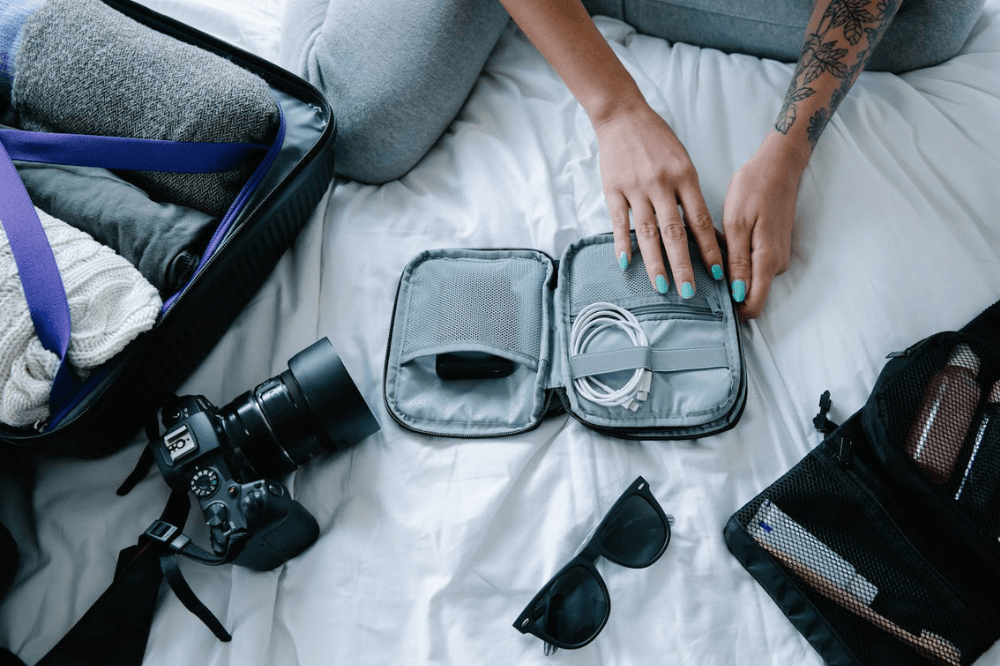
Most digital nomads don’t need more gear—they need Better, More Reliable Gear. If you’re working…

Costa Rica tops the list, but every central American country is different. Here’s the honest…
If you’re a digital nomad, your backpack is one of the most important pieces of…
Why Your Wallet Is the First Line of Defense You’ve booked the flights, sorted the accommodation,…
A calm, methodical guide to detecting surveillance devices in rentals, hotel rooms, Airbnb’s and even…
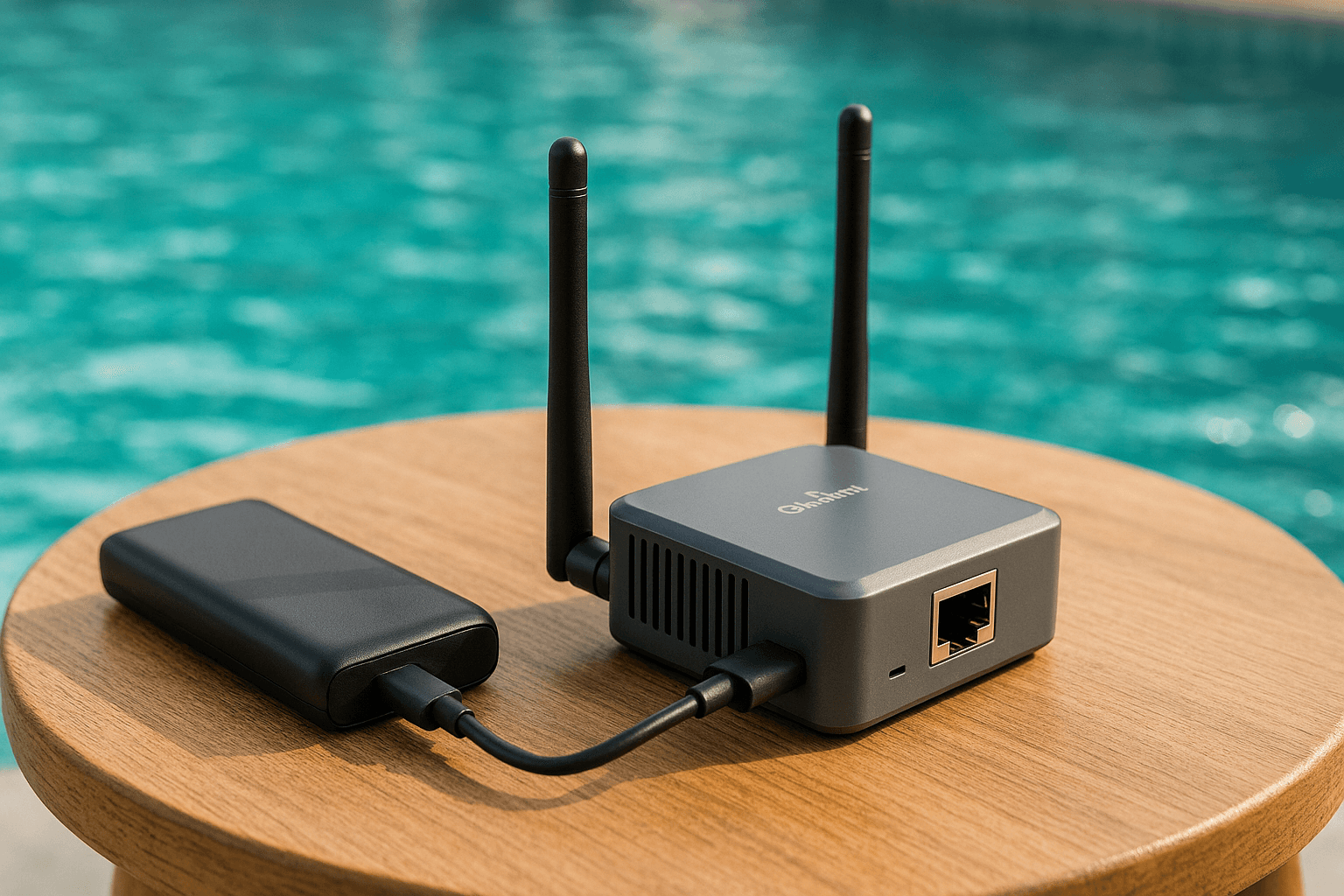
If you’ve ever struggled with slow hotel Wi-Fi, paid exorbitant fees for cruise ship internet,…