Physical Address
College House, 2nd Floor, 17 King Edwards Road, London, HA4 7AE
Physical Address
College House, 2nd Floor, 17 King Edwards Road, London, HA4 7AE
Costa Rica tops the list, but every central American country is different. Here’s the honest breakdown for travelers planning a visit to central America.
If you’re thinking about a trip through Central America, you’ve probably heard some scary things. Crime, gangs, cartels—it’s easy to assume the whole region is dangerous. But that’s not the full picture. Central America for travelers is a lot more nuanced than the news makes it look. Some countries in the region are genuinely safe and easy to visit. Others need a lot more planning. And a couple of them? You really want to think twice.
So let’s break it down. We’re going to look at every country in Central America and tell you exactly where it stands on safety—using real data, not just gut feelings. The Global Peace Index, US State Department advisories, and homicide stats all point to the same conclusion: Costa Rica is the safest country in Central America, and it’s not particularly close. But Panama, Belize, and a surprisingly improved El Salvador are all solid options depending on what kind of trip you’re planning.
Central America is generally considered safe to visit if you pick the right places and take a few basic precautions. This guide gives you the full list of the safest countries in Central America, explains what’s going on in each one, and tells you what to watch out for.
Here’s how all seven Central American countries stack up. Lower GPI score means more peaceful. The US advisory level is also worth paying attention to—it’s one of the clearest signals of how safe a country is to travel right now.
| Rank | Country | GPI Score | Homicides / 100k | US Advisory | Verdict |
|---|---|---|---|---|---|
| 1 | Costa Rica | 1.76 | 11.2 | Level 2 – Exercise Caution | Safest |
| 2 | Panama | 1.89 | 12.8 | Level 2 – Exercise Caution | Safe |
| 3 | Belize | 2.05 | 22.4 | Level 2 – Exercise Caution | Mixed |
| 4 | El Salvador | 2.12 | 7.8 | Level 2 – Exercise Caution | Rapidly Improving |
| 5 | Nicaragua | 2.18 | 8.0 | Level 3 – Reconsider Travel | Political Risk |
| 6 | Guatemala | 2.54 | 17.1 | Level 3 – Reconsider Travel | Extreme Caution |
| 7 | Honduras | 2.72 | 35.8 | Level 3 – Reconsider Travel | Least Safe |
Sources: Global Peace Index 2024, UNODC, US State Dept.
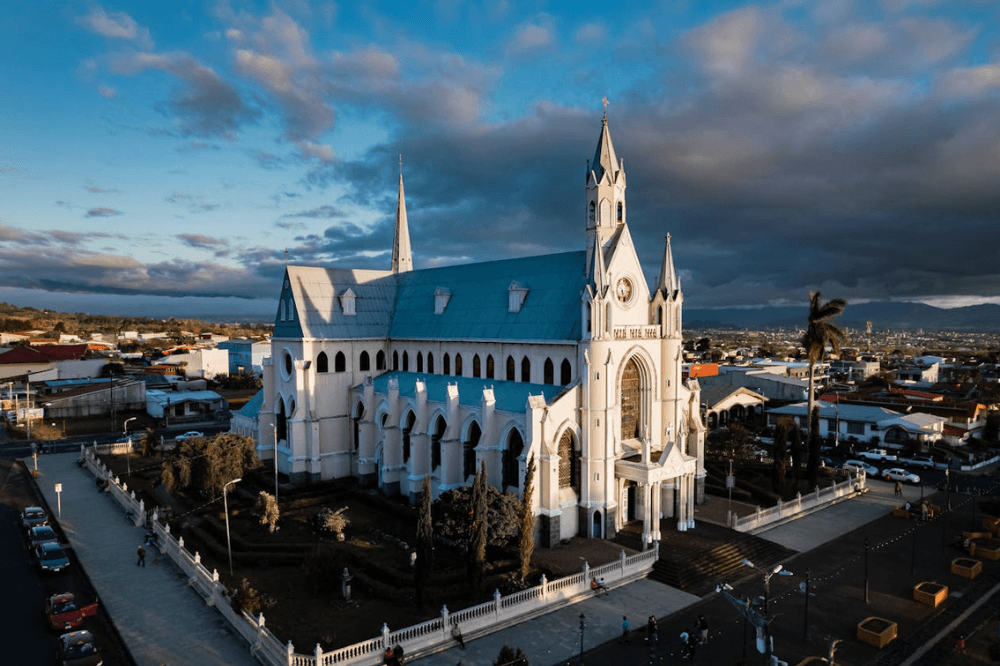
Costa Rica is the clear winner here. It’s been one of the safest countries in the region for decades, and the data backs that up every single year. The country got rid of its military way back in 1948—which sounds wild—and has been stable and peaceful ever since. Tourism is a huge part of the economy, which means the government has a real reason to keep popular tourist areas safe and welcoming.
The Global Peace Index consistently puts Costa Rica at the top of all Central American countries. Its Level 2 US travel advisory is the same rating given to France and Germany (that says a lot). And according to Numbeo data, Costa Rica scores well ahead of its neighbors throughout the region on day-to-day safety for visitors.

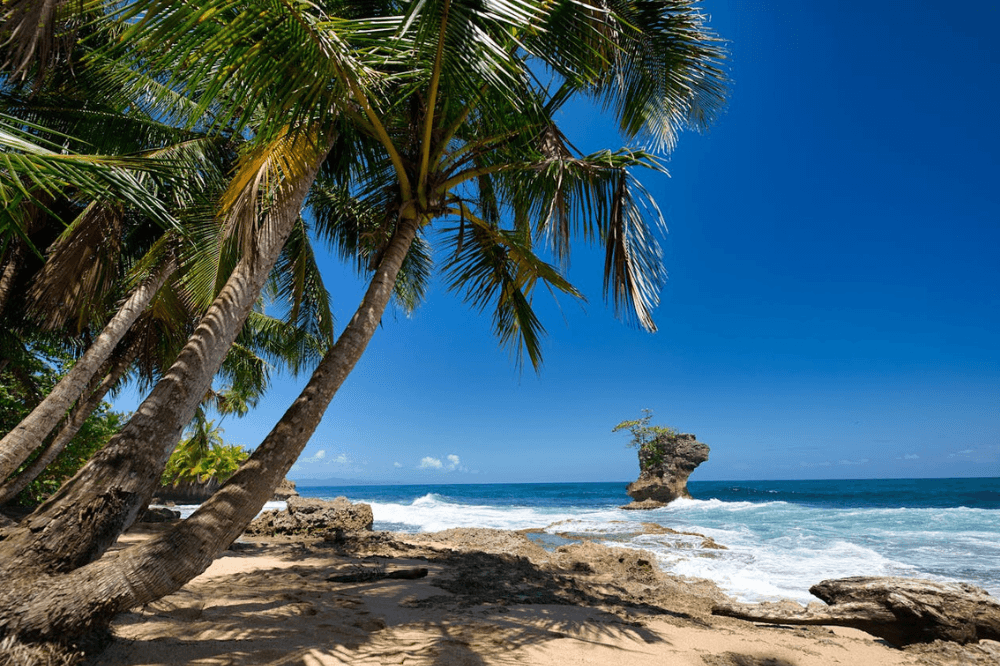
There are so many great places to visit here in Costa Rica. Manuel Antonio National Park on the Pacific coast is stunning—monkeys, sloths, and beaches. The Monteverde Cloud Forest feels like another world. The Arenal volcano area is one of the most popular travel spots in all of Central America. The rainforest alone is worth the trip. These are all well-visited, well-run spots that are genuinely safe and secure for travelers.
The one thing to watch is San José, the capital. Some parts of the city have more theft and pickpocketing than the rest of the country. Staying aware of your surroundings and not wandering into unfamiliar parts of the city at night keeps the risk lower. Outside San José, Costa Rica is about as safe as it gets across Central America.
Bottom Line on Costa Rica – The best pick for first-timers, families, and solo travelers who want a safe and easy trip. Just know it’s pricier than most other Central American countries to visit—budget like you’re going to Southern Europe.
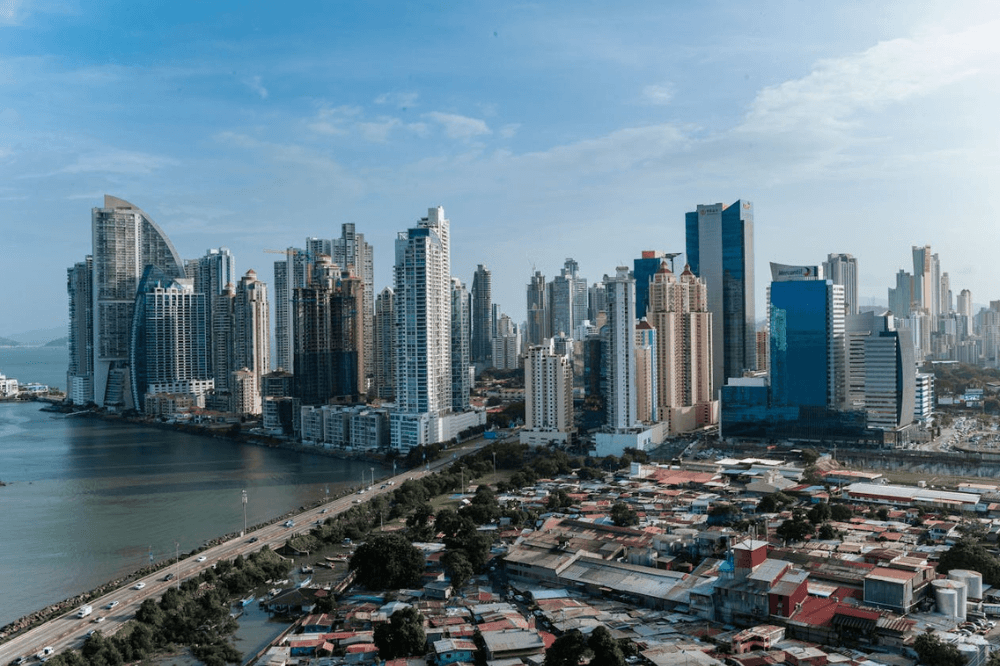
Panama doesn’t get enough credit. Most people think of the canal and not much else, but Panama City is a real, modern city with great food, a lively scene, and infrastructure that’s miles ahead of most other countries in the region. The historic Casco Viejo neighborhood—old colonial buildings, good restaurants, walkable streets—is one of the nicest places to visit in all of Central America.

Panama’s economy is the most stable in Central America. It runs on US dollars, which helps keep things steady. Less poverty generally means less crime. The US advisory is Level 2, the same as Costa Rica. That makes Panama one of only two central american countries at this safer level.
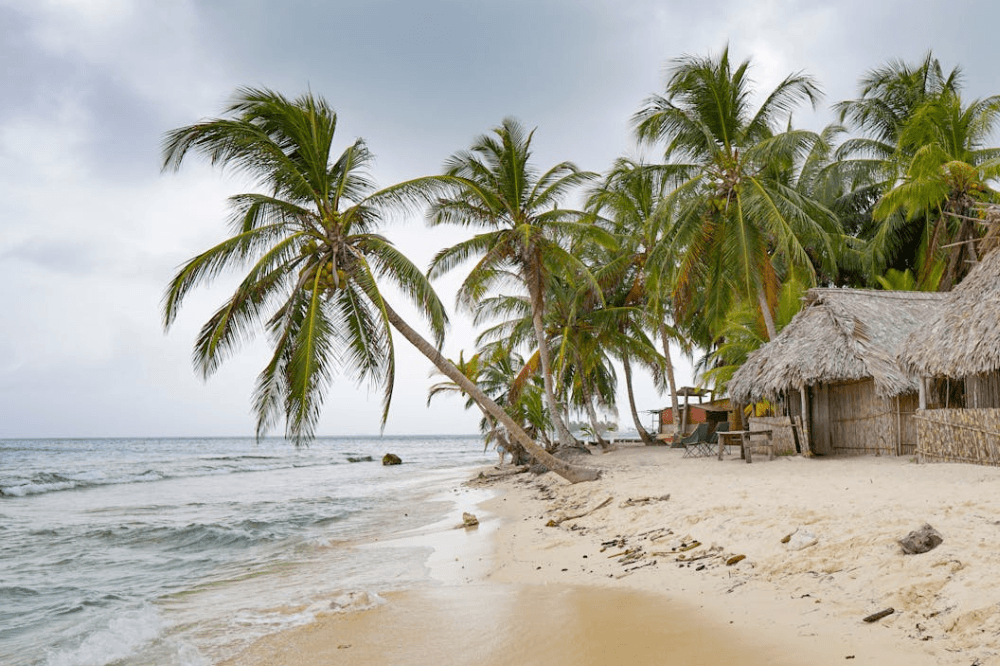
If you want something really special, the San Blas Islands are unlike anything else across Central America. These are tiny Caribbean islands run by the indigenous Guna people, who strictly limit how many visitors come through. No electricity, no resorts—just clear water, white sand, and a very laid-back atmosphere. The islands are genuinely safe and secure, partly because of how tightly the local community controls access. Getting there requires a bumpy rainforest drive and a boat ride, but it’s totally worth it.

One place to skip entirely: the Darién Gap near the Colombian border. That jungle area is connected to the illegal drug trade and is not safe under any circumstances. But it’s also not anywhere near where tourists go, so it’s easy to avoid.
Five years ago, El Salvador had one of the highest murder rates in the world. Gangs connected to the illegal drug trade controlled whole neighborhoods. Most travel advisories said stay away. It had a reputation as one of the most dangerous places on the planet.

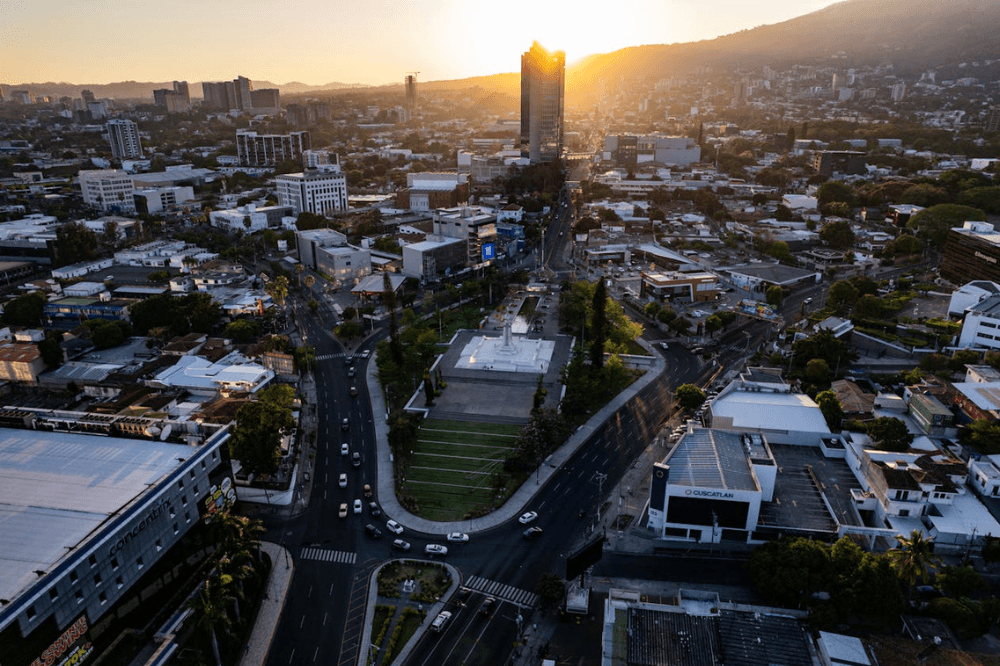
That’s not the situation anymore. Starting in 2022, the government launched a major crackdown—tens of thousands of gang members arrested, heavy police and military presence everywhere. The results have been dramatic. El Salvador now has one of the lowest homicide rates in Central America, around 7–8 per 100,000 people. The US State Department upgraded its advisory to Level 2 in 2023, putting El Salvador on the same level as Costa Rica and Panama.
The beach towns along the Pacific coast—El Tunco, La Libertad—are popular travel spots with surfers and backpackers from all over the world. The colonial city of Suchitoto is charming and low-key. El Salvador is also one of the cheapest countries to visit right now, which makes it one of the best countries for travelers on a budget.
That said, keep an eye on the news before you go. The safety improvements are real, but they’re tied to one government’s policies, and things can change. For now though, El Salvador is safe for tourists in a way it simply wasn’t before.
Belize is easy to love—it’s the only English-speaking country in Central America, the Caribbean coast is gorgeous, and spots like Caye Caulker are about as relaxed as it gets. The ancient Maya civilization sites like Caracol are incredible and should be on every traveler’s bucket list. For anyone interested in the Caribbean side of Central America, Belize absolutely belongs on our list.

The catch is Belize City. It has a serious crime problem that doesn’t match the rest of the country at all. Most experienced travelers treat Belize City as a place to pass through quickly—fly in, hop on a water taxi to the islands, done. That approach works well. Avoid lingering in dangerous areas of Belize City and the rest of the country is a lot more enjoyable and safer.
Nicaragua is a trickier call. The homicide rate is actually fairly low compared to Honduras or Guatemala, and before 2018 it was one of the more promising places in the region for budget travelers. But a political crisis that year—the government cracked down hard on protests, essentially a coup against its own people—changed things there. The US advisory is Level 3, mostly because of political unrest and the risk of getting caught up in something unpredictable. Street crime isn’t the main worry here; instability is. It’s worth researching carefully before you plan your trip here.
Guatemala and Honduras are the least safe countries in the region, and both sit at Level 3 on the US advisory. That doesn’t mean you can’t go—but it does mean you need to go in with your eyes open and take real precautions on your trip.
Honduras has had some of the highest murder rates in the world, particularly in Tegucigalpa and San Pedro Sula—at one point among the most dangerous cities in the world. Things have improved somewhat, but Honduras remains the most serious risk in Central America. The Bay Islands, especially Roatán, are safer than the mainland and are well set-up for tourists. But outside those safer areas, the Honduran mainland needs careful planning, well thought-out transportation, and real awareness of the potential dangers at all times.
Guatemala is a more complicated story. It has genuinely amazing places to see—Antigua is one of the most beautiful colonial cities in all of Latin America, Lake Atitlán is breathtaking, and the Maya ruins at Tikal are world-class. Lots of travelers visit Guatemala every year without any trouble. But Guatemala City has very dangerous areas, and parts of the city outside the tourist zones can be very risky to say the least. Political unrest can also cause bus blockades that disrupt travel without much warning, so keeping up with local news is important when you plan your trip.
⚠️ US Level 3 Advisory Countries – Guatemala, Honduras, and Nicaragua are all at Level 3 (Reconsider Travel). Read the full country report at travel.state.gov before going. Canadians should check travel.gc.ca. It’s also worth signing up for the STEP program (US citizens) so the embassy can reach you if something goes wrong.
No matter which countries you’re visiting, these basics rules apply everywhere across the region.
Get travel insurance before you go. Medical care varies a lot, and evacuation costs can be huge if something happens to you in a remote area.
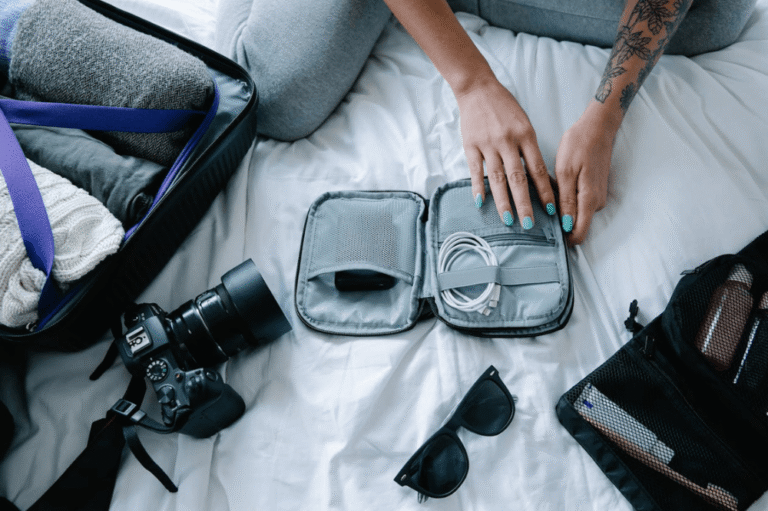
Stay aware of your surroundings, especially in cities. Pickpocketing and theft are what tourists face most often. Keep your phone in a front pocket, use a bag that zips, and don’t flash any expensive gear such as a phone, camera etc in crowded spots. A bag that locks and zips properly makes a real difference — see our best digital nomad backpacks guide.
Don’t wander around after dark in unfamiliar parts of the city. This applies even in the safer countries. Most Central American cities have clear safer areas and more dangerous areas, and nighttime makes the difference harder to see. Use a rideshare app such as Uber instead of flagging down a random taxi.
Be careful with cash. ATM skimming happens across the region, including in busy tourist areas. Stick to ATMs inside banks, take out only what you need, and keep your main cash stash somewhere separate from your wallet. A good security wallet helps too — here’s our pick of the best security wallets for travel.
Check the news before and during your trip. Bus blockades from political unrest can pop up quickly in Guatemala and elsewhere. The US State Department page and the Canadian government advisory page are both free and regularly updated. Check them close to your departure date, not just when you first book.
Use a local guide for rainforest and remote areas. The edges of the tourist trail—rainforest areas, rural roads, border zones—are where things are more unpredictable. A good local guide keeps you safer and makes the experience better.
Costa Rica wins, and it’s not that close. It leads the list of safest countries in Central America in all aspects, has the best tourism infrastructure in the region, and offers an incredible range of places to visit—rainforest, beaches, volcanoes, wildlife. If you want a safe and easy trip, Costa Rica should be top of your list.

Panama is right behind it—one of the safest countries in the region, with a great city and the unique bonus of the San Blas Islands. El Salvador is now genuinely worth considering after its remarkable turnaround, especially if you’re on a budget. Belize works well if you avoid Belize City and head straight to the coast.
Guatemala and Honduras are the least safe of the American countries here, but they’re not impossible to travel to. They just need more planning, more situational awareness, and honest expectations about what safer areas exist and which parts of the city or countryside to avoid.
Central America is changing fast. The safety situation across Central American countries looks different today than it did five years ago, and it continues to change. Plan your trip with current information, check advisories regularly, and spend as much time as possible researching online.
Not set on Central America? We’ve also covered the best cities for digital nomads worldwide.
Costa Rica is the safest country in Central America by every major measure—Global Peace Index, homicide rates, and US State Department advisory levels. Panama is a very close second. Both are at Level 2 on the US advisory, which is the same rating as many Western European countries. They’re the two best countries in the region for travelers who want a safe and stress-free trip.
Yes, much more so than it used to be. After a major government crackdown on gangs starting in 2022, El Salvador’s homicide rate dropped dramatically to one of the lowest in Central America. The US upgraded its advisory to Level 2 in 2023. Popular tourist areas—including the Pacific coast beach towns and San Salvador—are currently safe for tourists. Keep an eye on the political situation though, as things can change.
Honduras is the least safe, with one of the highest homicide rates in the region and a Level 3 US advisory. Guatemala is also Level 3—it has great places to visit like Antigua and Lake Atitlán, but has dangerous areas in Guatemala City and ongoing political unrest. Nicaragua’s street crime is lower, but political instability makes it a Level 3 as well. Belize City within Belize is also flagged for crime, though the islands and coast are much safer.
The key ones: get travel insurance before you go, stay aware of your surroundings in cities, don’t wander around after dark in unfamiliar areas, use rideshare apps like Uber instead of street taxis, take precautions with your cash and use ATMs inside banks, and check US or Canadian government advisories within a week of your travel date. For rainforest or remote areas, use a vetted local guide. And keep up to date on local news—especially in Guatemala and Nicaragua, where bus blockades and political unrest can disrupt your plans quickly.